
Summary
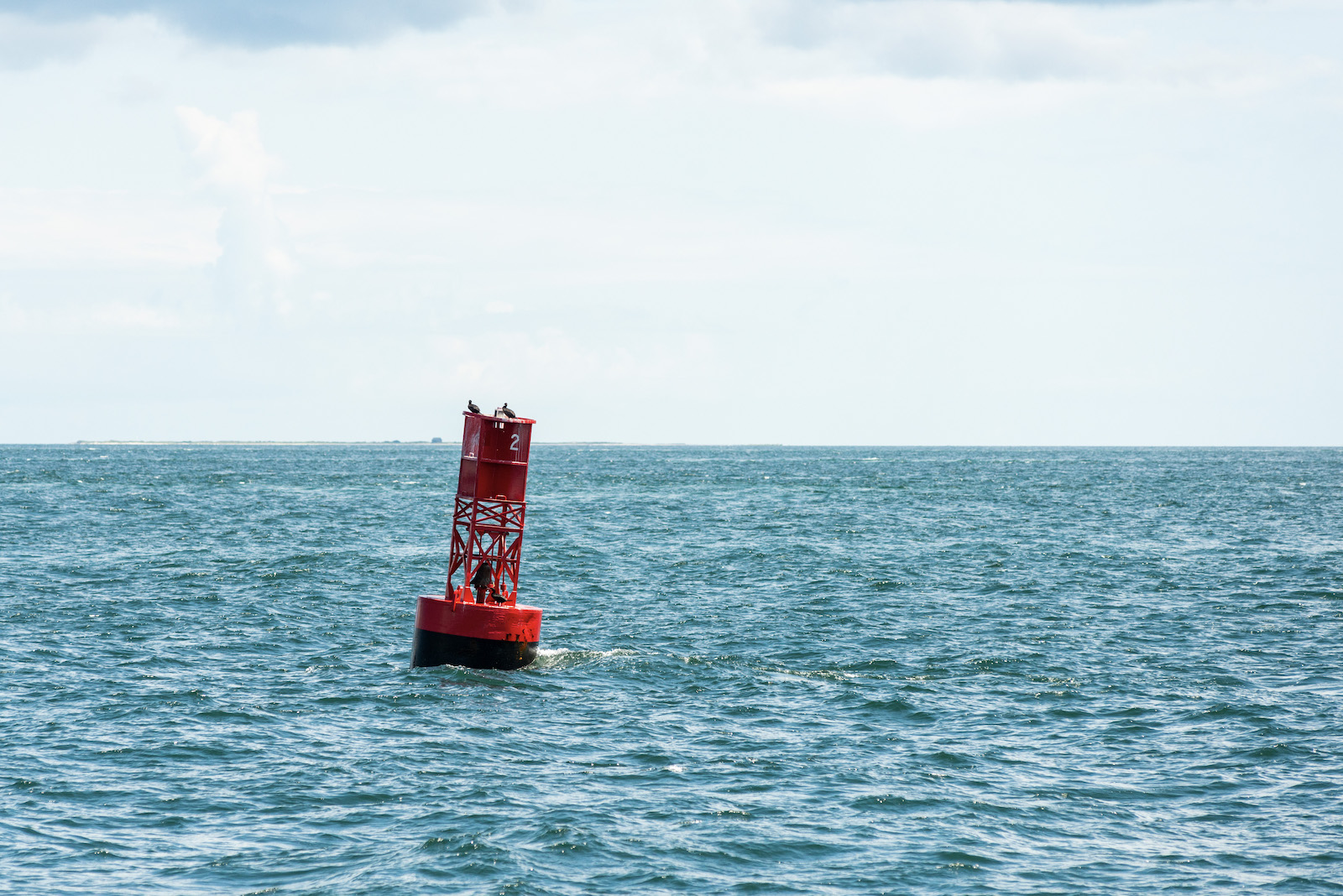
The proposed removal of navigation buoys has sparked a debate about the balance between safety and efficiency. While the Coast Guard argues that the removal of buoys will make it easier to maintain the remaining aids to navigation, mariners argue that the buoys are essential for safe navigation. The proposal has significant implications for **Martha's Vineyard** and the wider maritime community, and has raised questions about the role of **GPS** and electronic navigation charts in modern navigation. [[navigation|Navigation]] is a critical aspect of maritime safety, and the removal of buoys could have significant consequences for boaters and the local economy. The Coast Guard's proposal has sparked a lively debate about the future of navigation and the role of traditional navigation aids in the age of **GPS** and electronic navigation charts.
Key Takeaways
- The U.S. Coast Guard is proposing to remove 350 navigation buoys in the northeast
- The proposal includes the removal of about 20 buoys around Martha's Vineyard, Woods Hole, and Gosnold
- The Coast Guard is soliciting public comment on the proposal
- The removal of buoys has sparked a debate about the balance between safety and efficiency
- The proposal has significant implications for the maritime industry and local economy
Balanced Perspective
The proposed removal of navigation buoys is a complex issue that requires careful consideration of the potential risks and benefits. While the Coast Guard's goal of 'right-sizing' the navigation aid system is understandable, the removal of buoys could have unintended consequences, such as increased risk of accidents or decreased safety for mariners. On the other hand, the widespread use of **GPS** and electronic navigation charts has reduced the need for physical buoys, and the Coast Guard's proposal may be a necessary step towards modernizing the navigation aid system. [[maritime-safety|Maritime safety]] is a critical concern, and the removal of buoys must be carefully considered in the context of overall safety and efficiency. The Coast Guard's proposal has sparked a lively debate about the future of navigation, and it is essential to consider multiple perspectives before making a decision.
Optimistic View
The proposed removal of navigation buoys is a sensible step towards streamlining the navigation aid system, making it more efficient and cost-effective. With the widespread use of **GPS** and electronic navigation charts, the need for physical buoys is reduced, and the Coast Guard can focus on maintaining the most critical aids to navigation. This move will also encourage mariners to adopt more modern and reliable navigation methods, such as **GPS** and electronic navigation charts. [[gps|GPS]] technology has revolutionized navigation, and the removal of buoys is a natural step towards embracing this technology. The Coast Guard's proposal is a forward-thinking approach to navigation, and will ultimately improve safety and efficiency for mariners.
Critical View
The proposed removal of navigation buoys is a reckless and short-sighted decision that prioritizes cost-cutting over safety. The buoys are a critical component of the navigation aid system, and their removal will put mariners at risk, particularly in areas with shallow water or high traffic. The reliance on **GPS** and electronic navigation charts is not a substitute for physical buoys, and the Coast Guard's proposal ignores the potential risks of electronic navigation aid failure. [[navigation-buoys|Navigation buoys]] are a vital part of maritime safety, and their removal could have devastating consequences for boaters and the local economy. The Coast Guard's proposal is a step backwards for maritime safety, and it is essential to reconsider the plan and prioritize the safety of mariners.
Source
Originally reported by The Vineyard Gazette